Assoc. Prof. Deok Hyun Moon
Chosun University, Republic of Korea
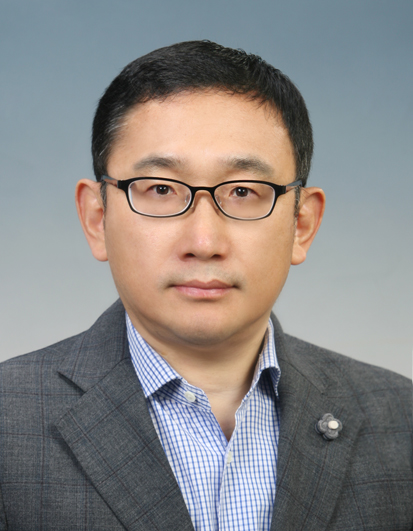
Biography: Dr. Moon is currently an associate professor in the Department of Environmental Engineering at Chosun University, located in Gwangju City, Republic of Korea. He also serves as an associate editor for the Springer journal Environmental Geochemistry and Health. He earned both a Master’s degree and a Ph.D. in Environmental Engineering from Stevens Institute of Technology, located in Hoboken, New Jersey, USA. His research primarily focuses on the remediation of arsenic (As) and heavy metal-contaminated soil and solid waste, characterization of metal-contaminated soils and solid media, the fate and transport of heavy metals in soils, and the remediation of chromite ore processing residue (COPR). Specifically, Dr. Moon is recognized as an expert in the stabilization/solidification (S/S) of heavy metal-contaminated soil and solid waste. With over 25 years of research experience, he has extensively worked on solidification/stabilization (S/S) processes for heavy metal-contaminated soil, solid waste, and dredged materials. Dr. Moon has authored more than 130 peer-reviewed journal articles in the fields of soil remediation and solid waste treatment.
Speech title "Impact of Pyrolysis Temperature on Arsenic and Lead Stabilization in Soil Using Low-Carbon Partially Calcined CaCO3: Comparative Evaluation of Limestone and Waste Oyster Shellsquot"
Abstract— Calcium-based stabilization technologies are widely applied for the remediation of heavy metal-contaminated agricultural soils. Conventionally, calcium carbonate (CaCO3) is fully calcined to produce calcium oxide (CaO) in order to enhance its reactivity; however, this process is associated with substantial greenhouse gas (CO2) emissions. As a more sustainable alternative, partially calcined CaCO3 (PCC) can be produced through an energy-efficient and low-carbon process. In this study, PCC was synthesized from limestone (LS) and waste oyster shells (OS), and their stabilization performance was comparatively evaluated. LS and OS (−#10 to +#20 mesh) were pyrolyzed at different temperatures (700, 750, and 800 ℃) for 2 h to produce limestone-derived PCC (LPCC) and oyster shell-derived PCC (OPCC), and the corresponding CO2 release was quantified. The synthesized PCCs were applied to soil co-contaminated with As (847.2 mg kg⁻¹) and Pb (247.1 mg kg⁻¹) at dosages ranging from 2 to 10 wt%, followed by wet curing for one week. Stabilization efficiency was then evaluated using a 0.1 M HCl extraction method. At 700 ℃, CO2 release from both materials was negligible (<4 wt%). At 800 ℃, LPCC released 31.13 wt% of CO2, whereas OPCC exhibited delayed thermal decomposition, releasing 16.67 wt%. The stabilization efficiency generally increased with increasing pyrolysis temperature, most likely due to enhanced CaO formation. At a 10 wt% dosage, the stabilization efficiencies of As and Pb for LPCC produced at 800 ℃ were 80.6% and 60.7%, respectively, while OPCC produced at 800 ℃ achieved 63.4% and 68.9%. In conclusion, higher pyrolysis temperatures enhance the stabilization efficiency of heavy metals in soil within the tested temperature range. Notably, OPCC derived from waste oyster shells emitted about half as much CO2 as LPCC derived from limestone while showing comparable or better performance, highlighting its potential as a low-carbon stabilizer for heavy metal-contaminated soils.